Yuanjiaogui Cabinet
Solo project
2024
2024
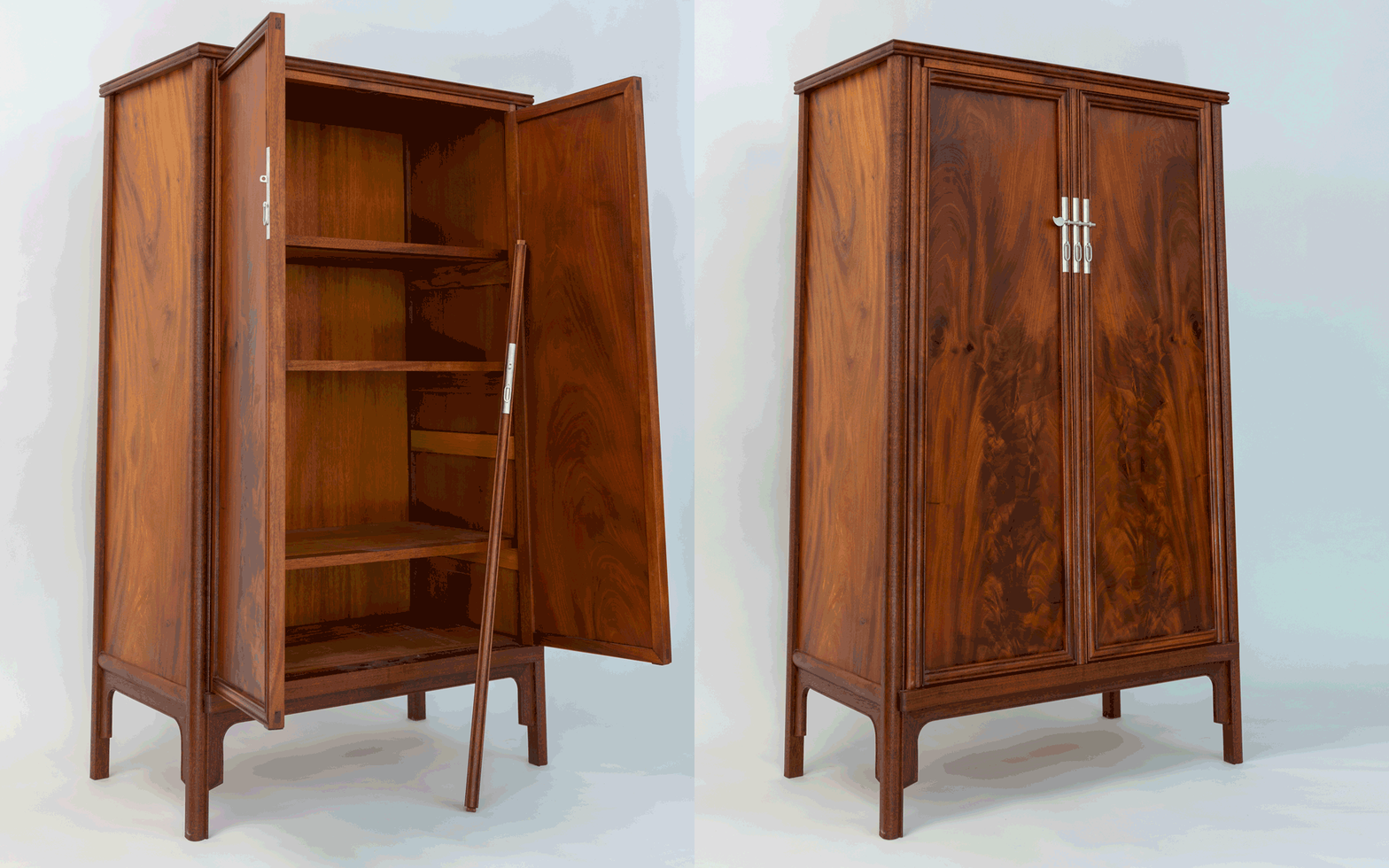
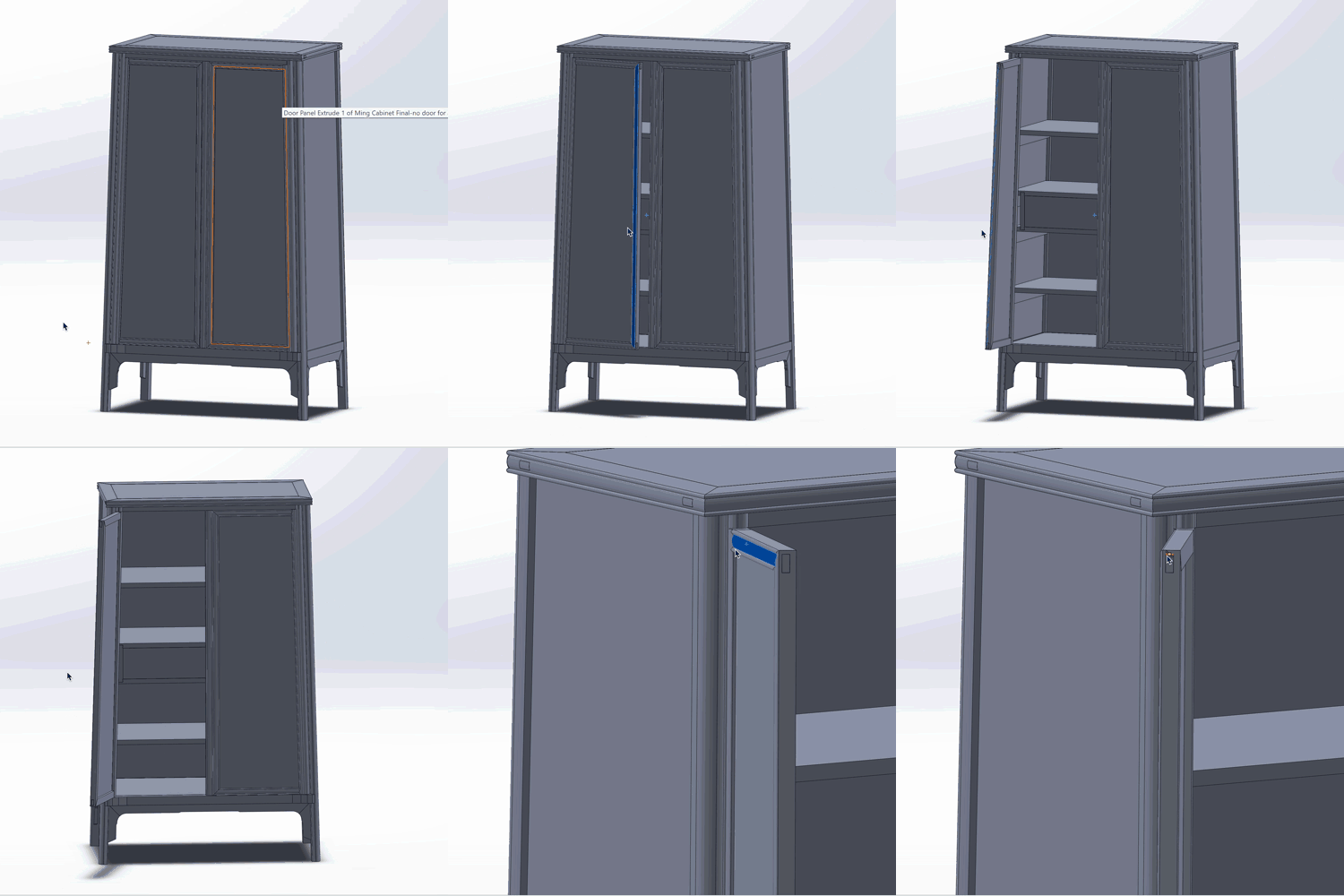
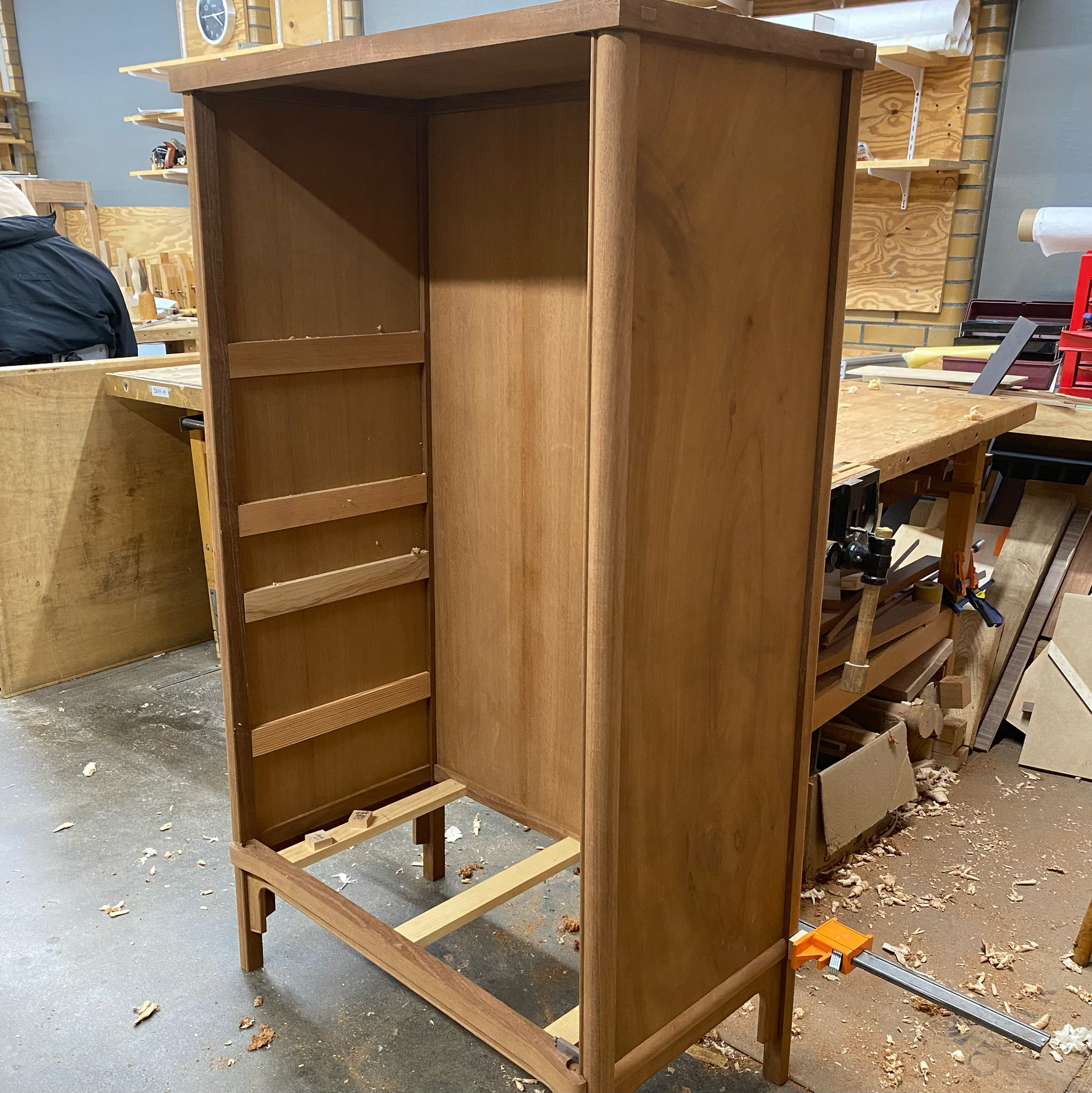
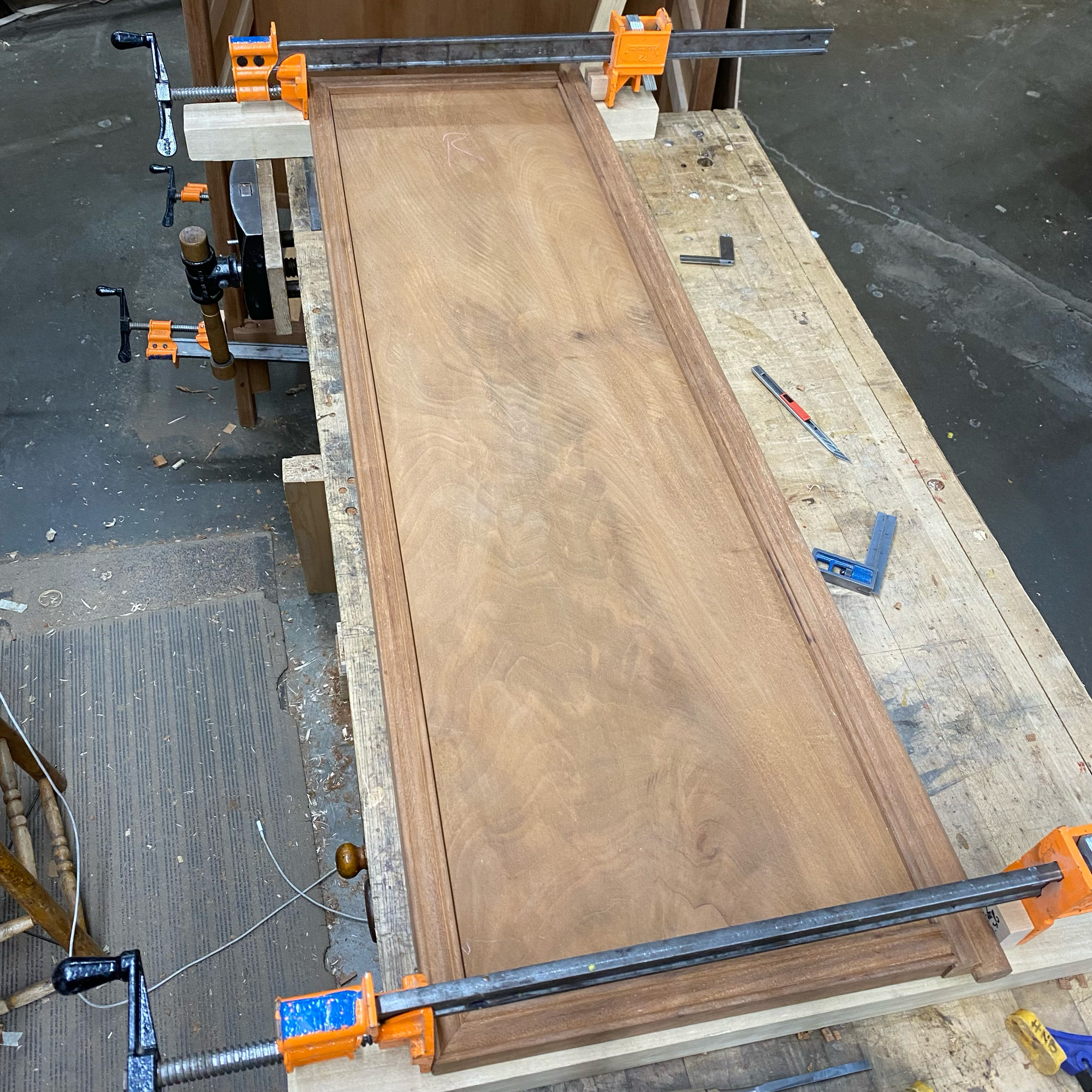
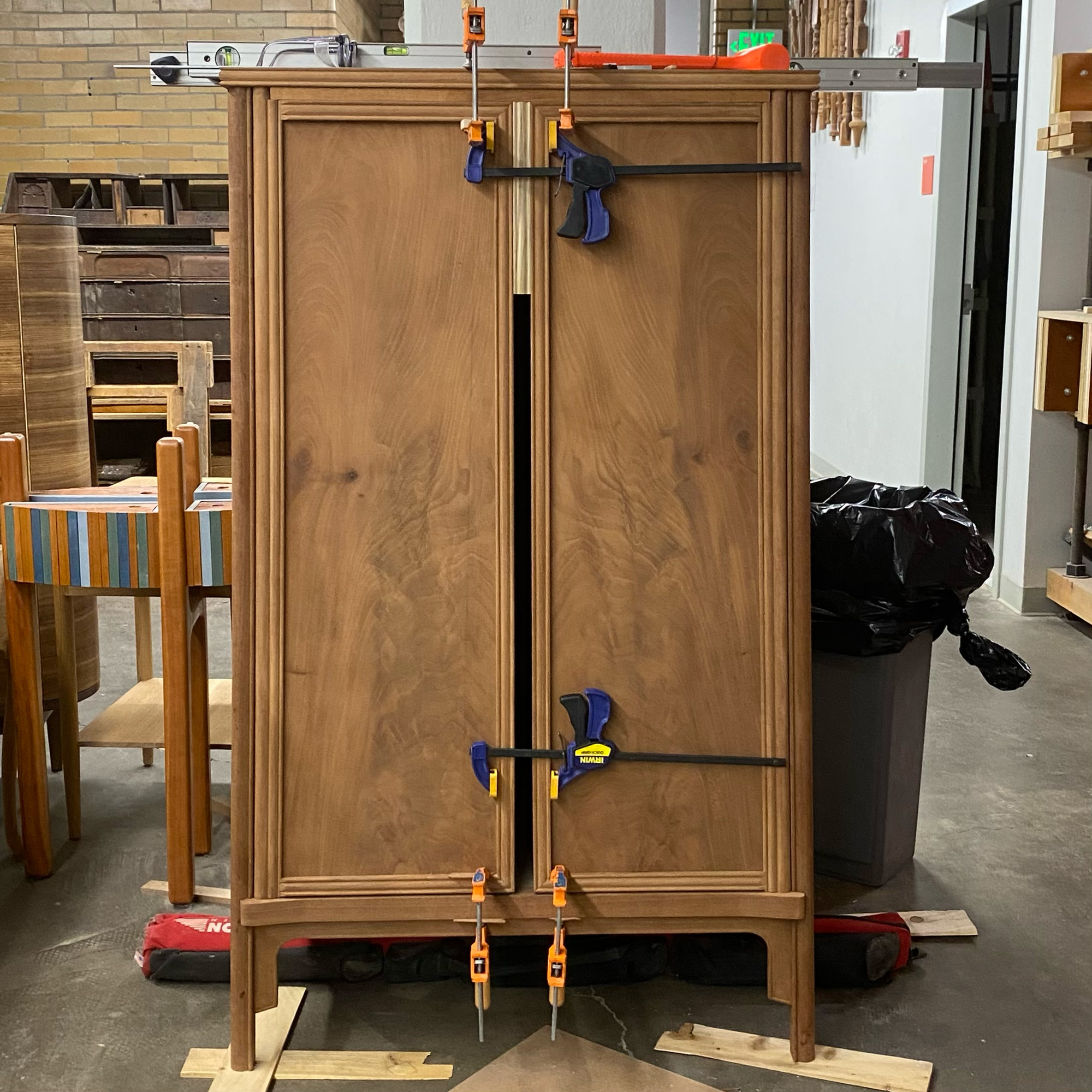
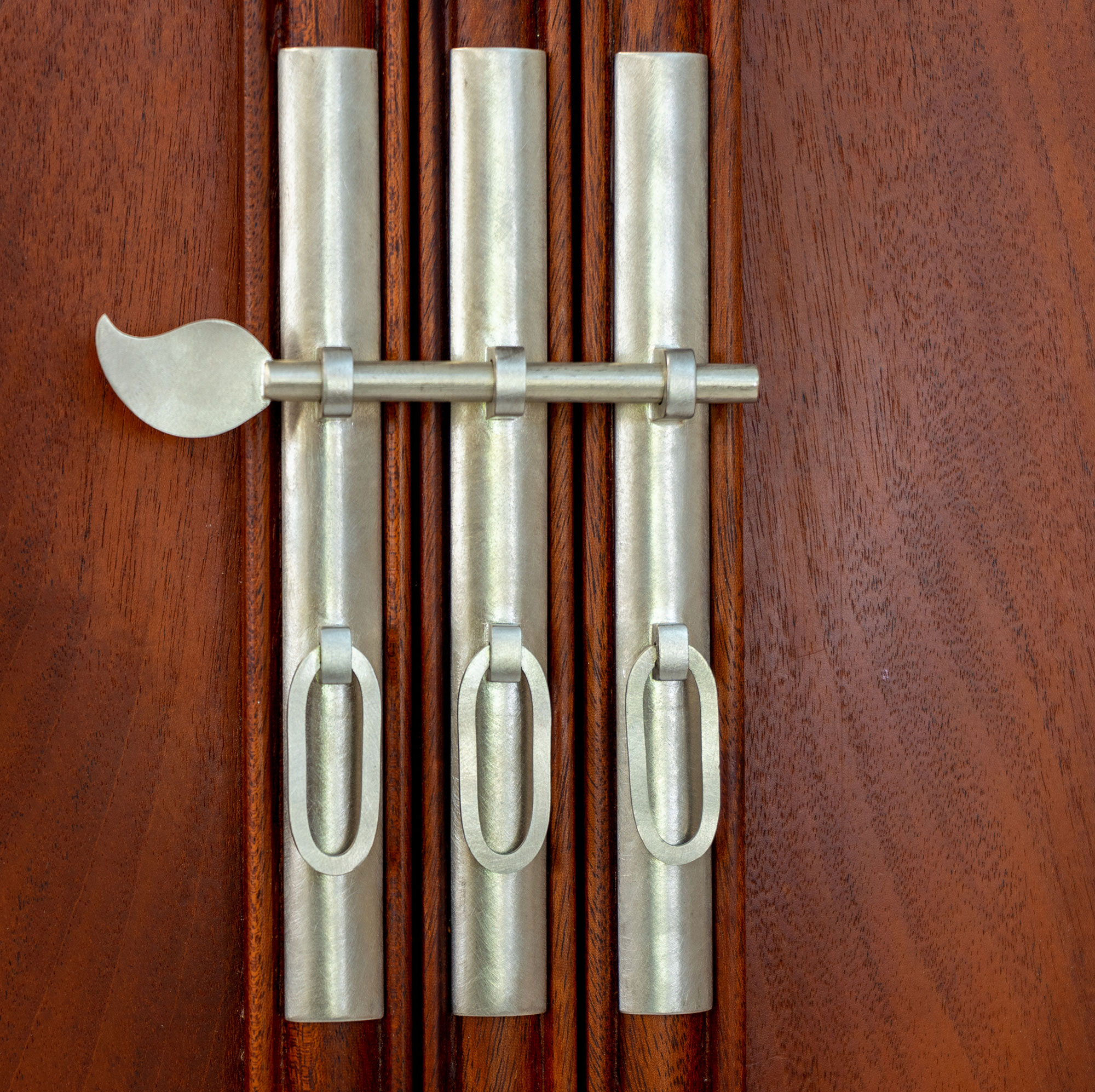
This project examines the construction and movement of a 16th-century
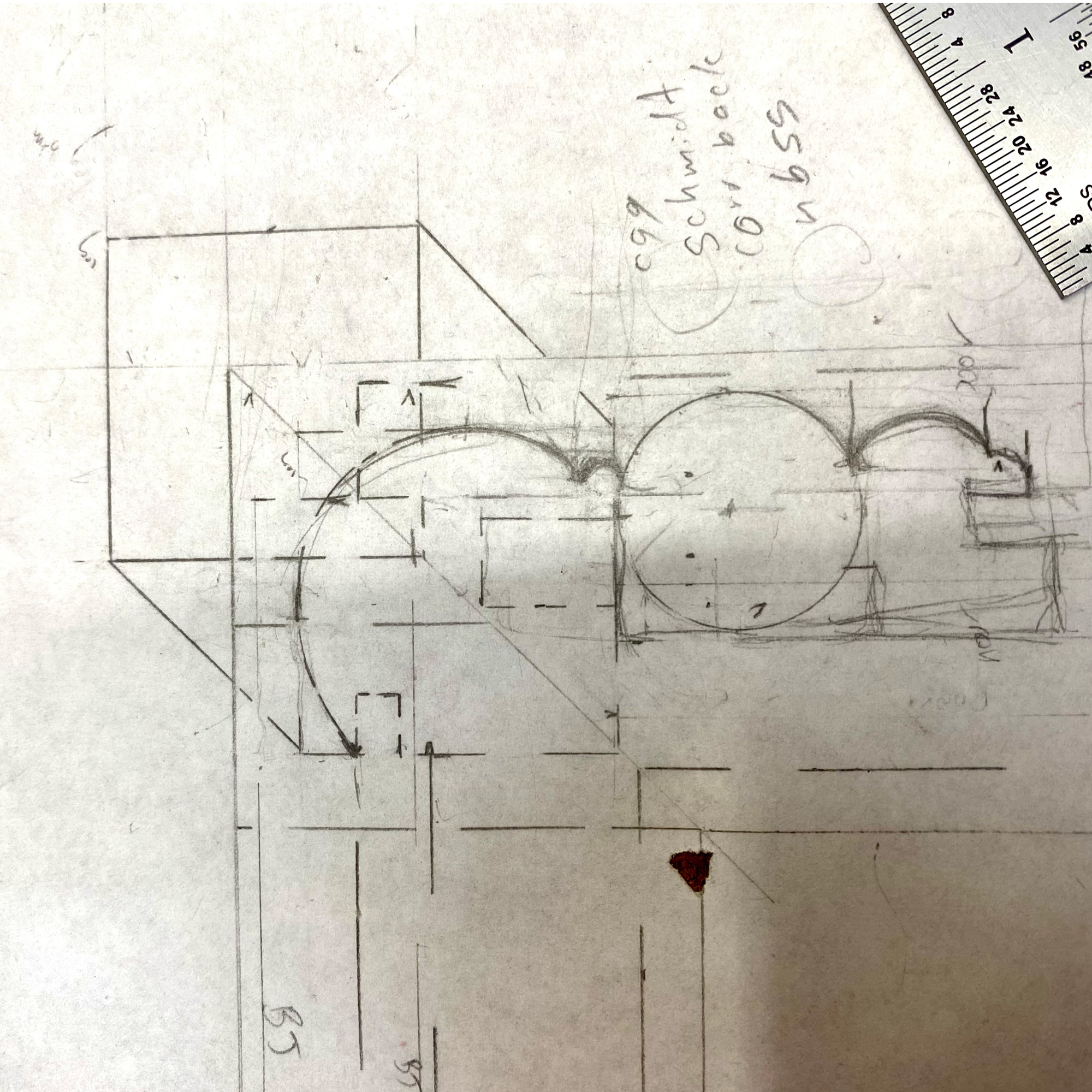
Fujianese yuanjiaogui cabinet through full-scale drawing, modeling,
and fabrication. The work focuses on proportion, pivot geometry,
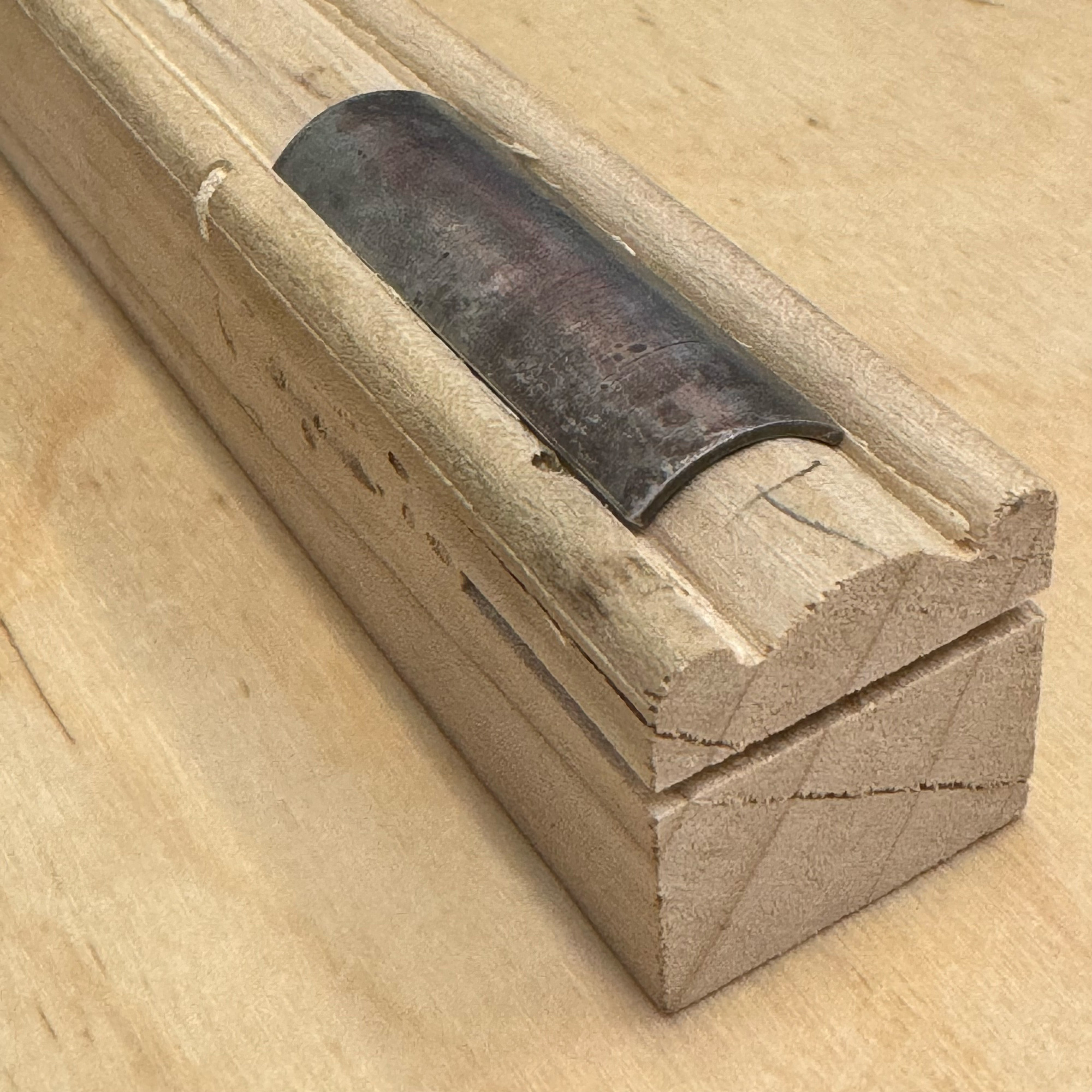
and traditional joinery.