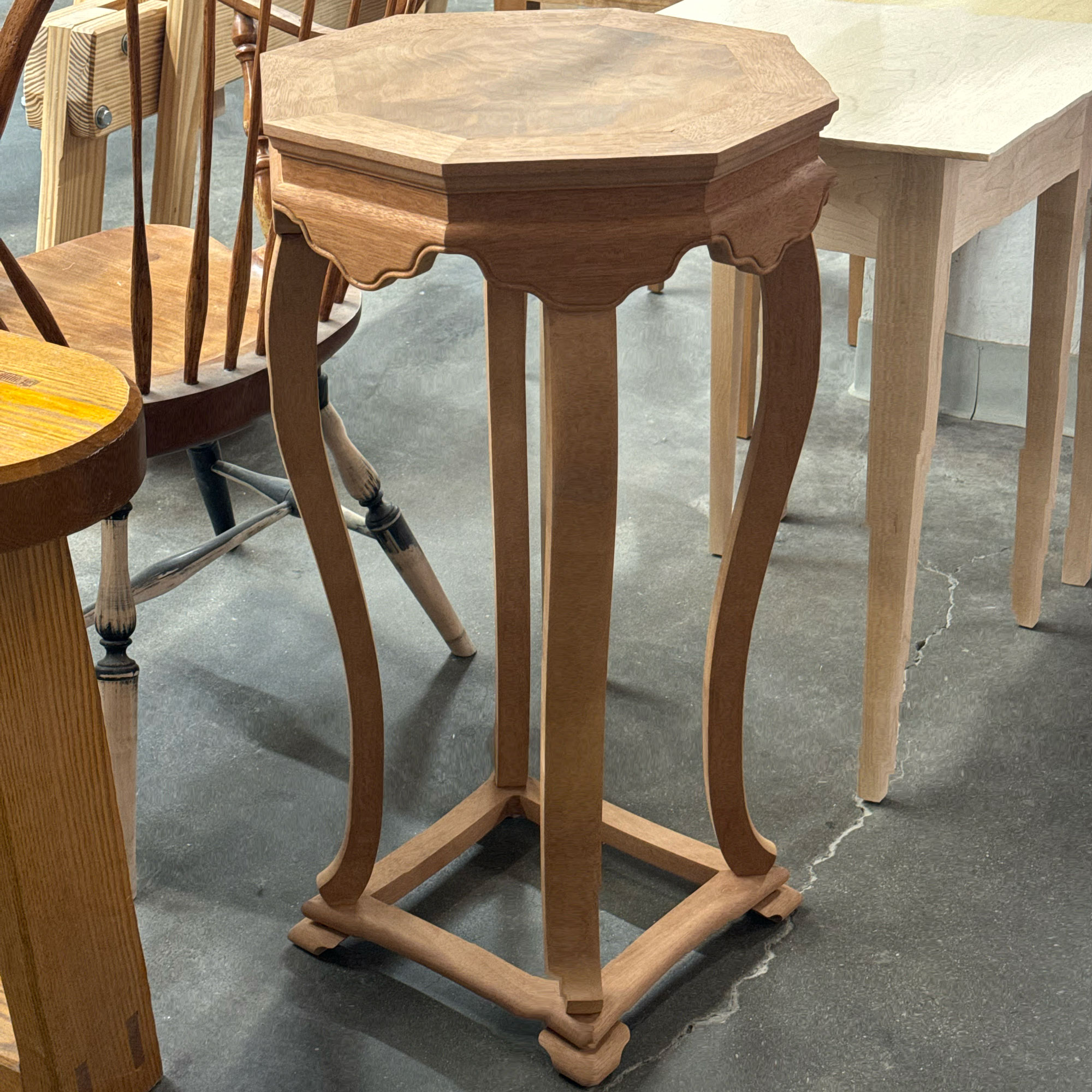
Xiangji Table
Solo project
2024
2024
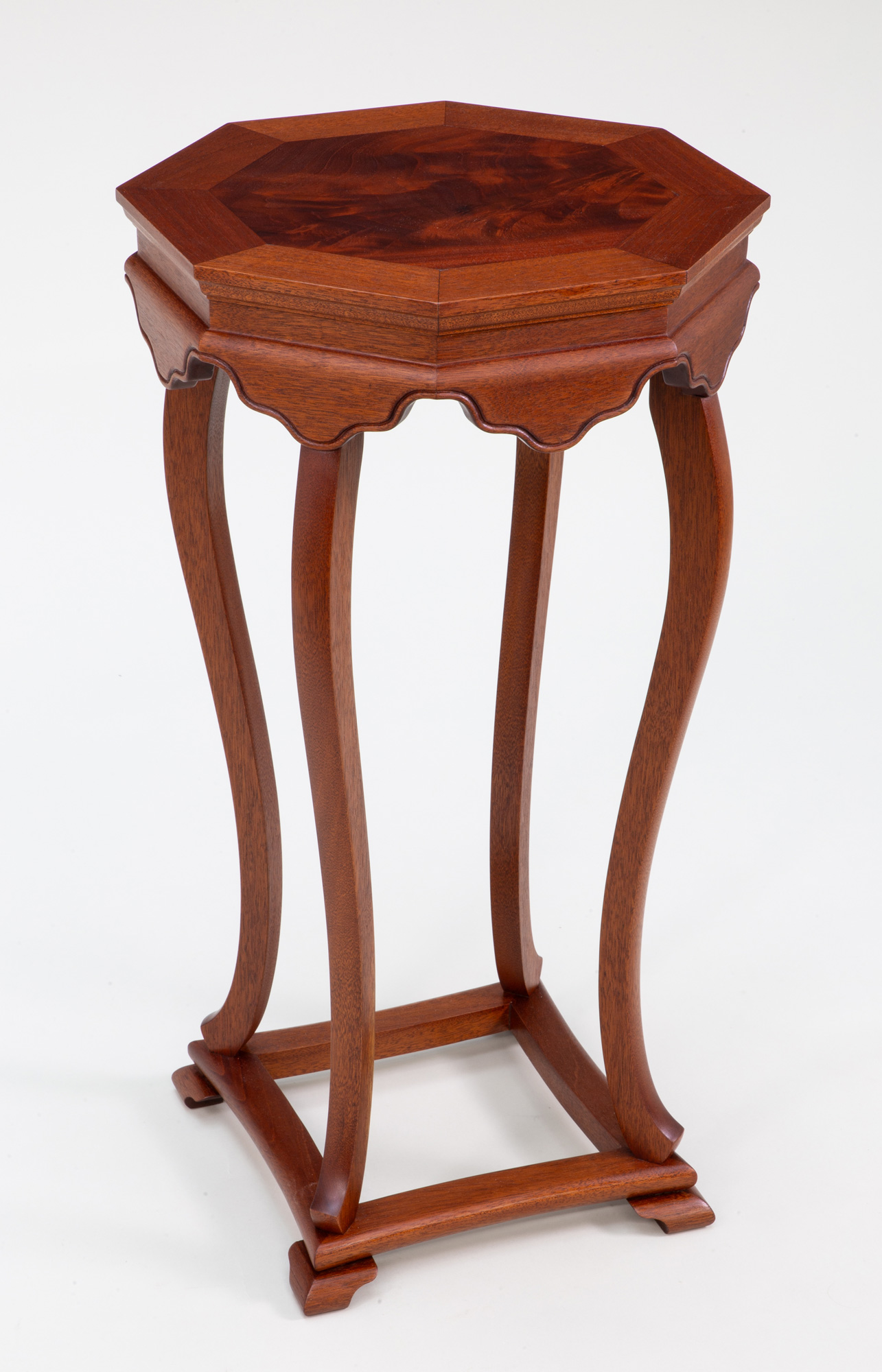
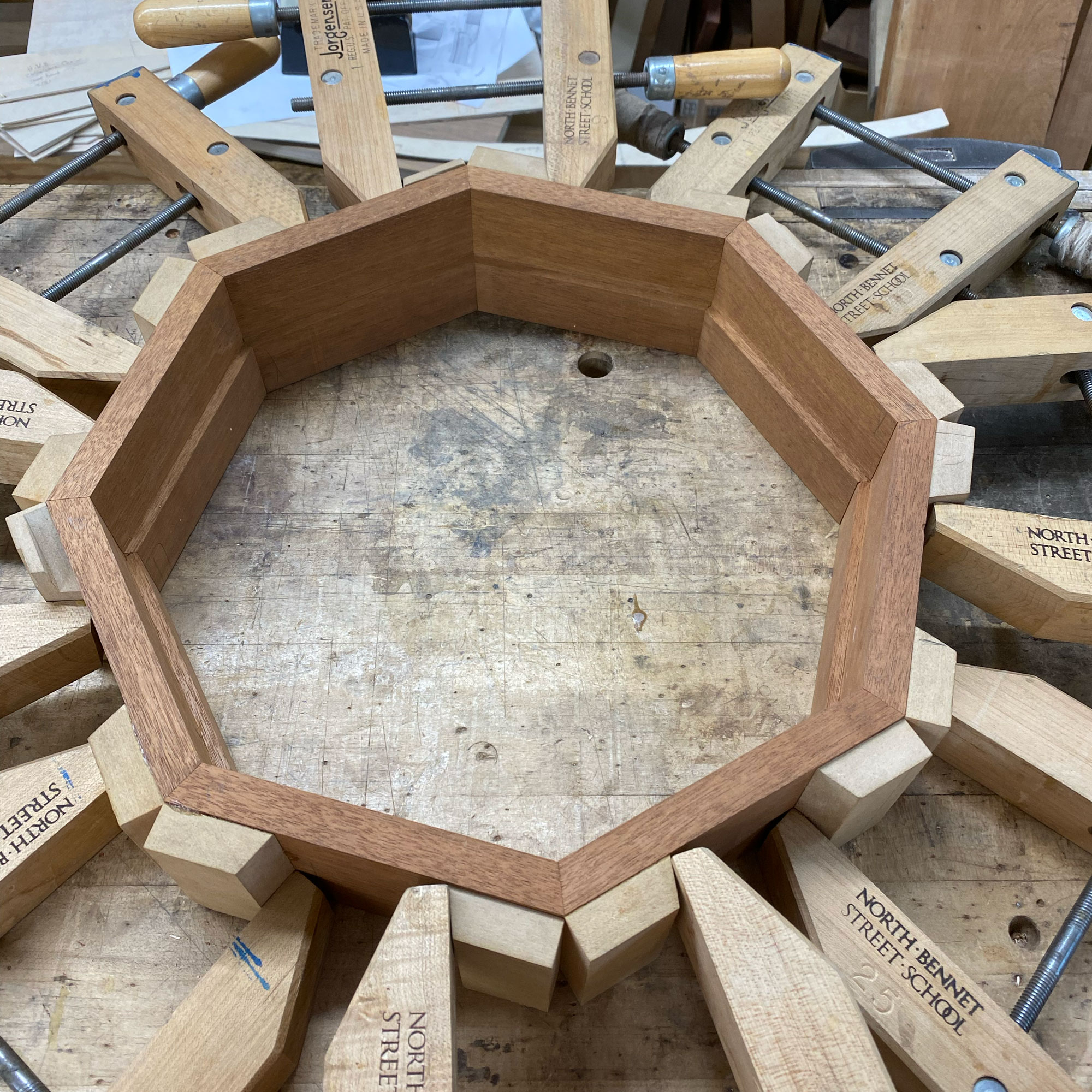
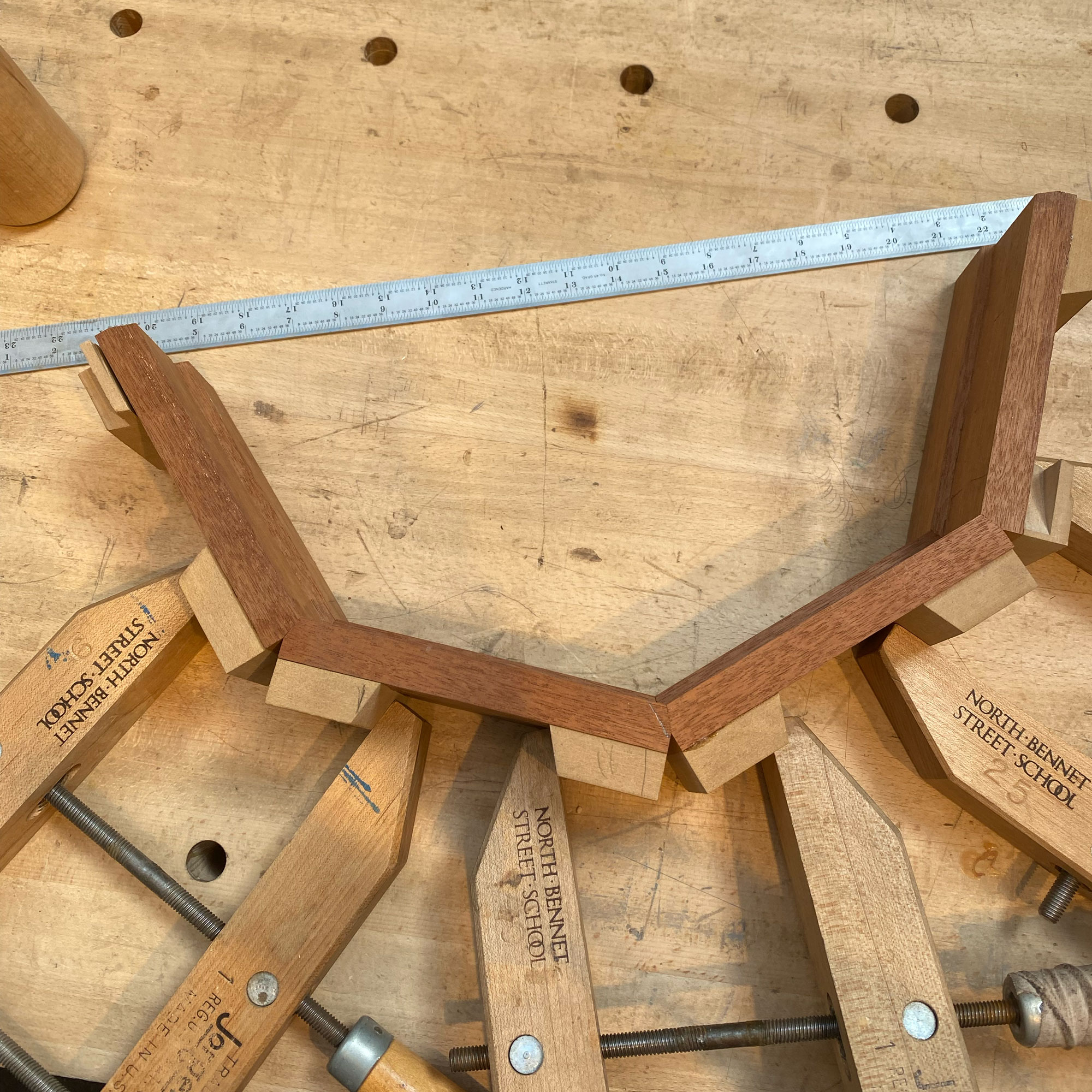
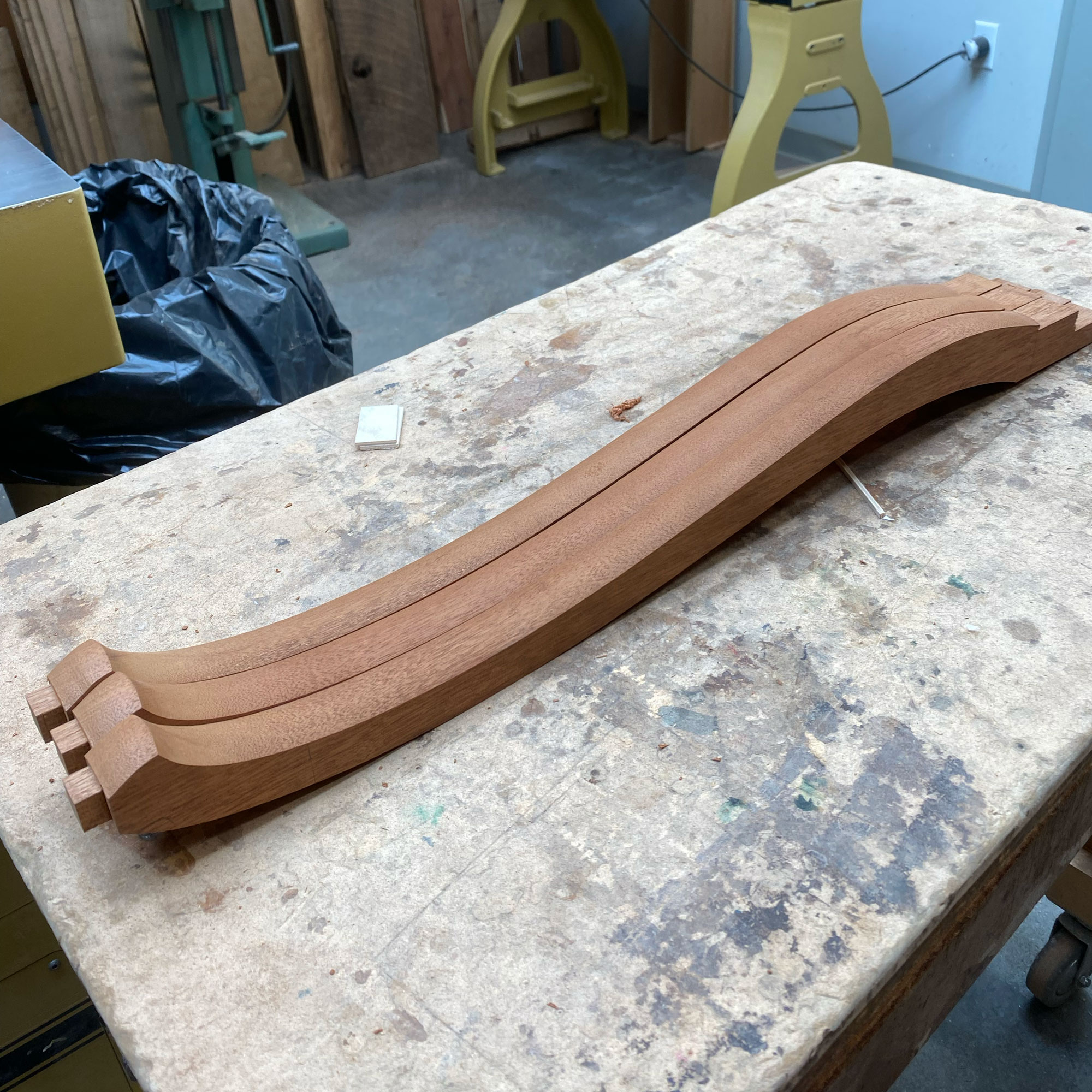
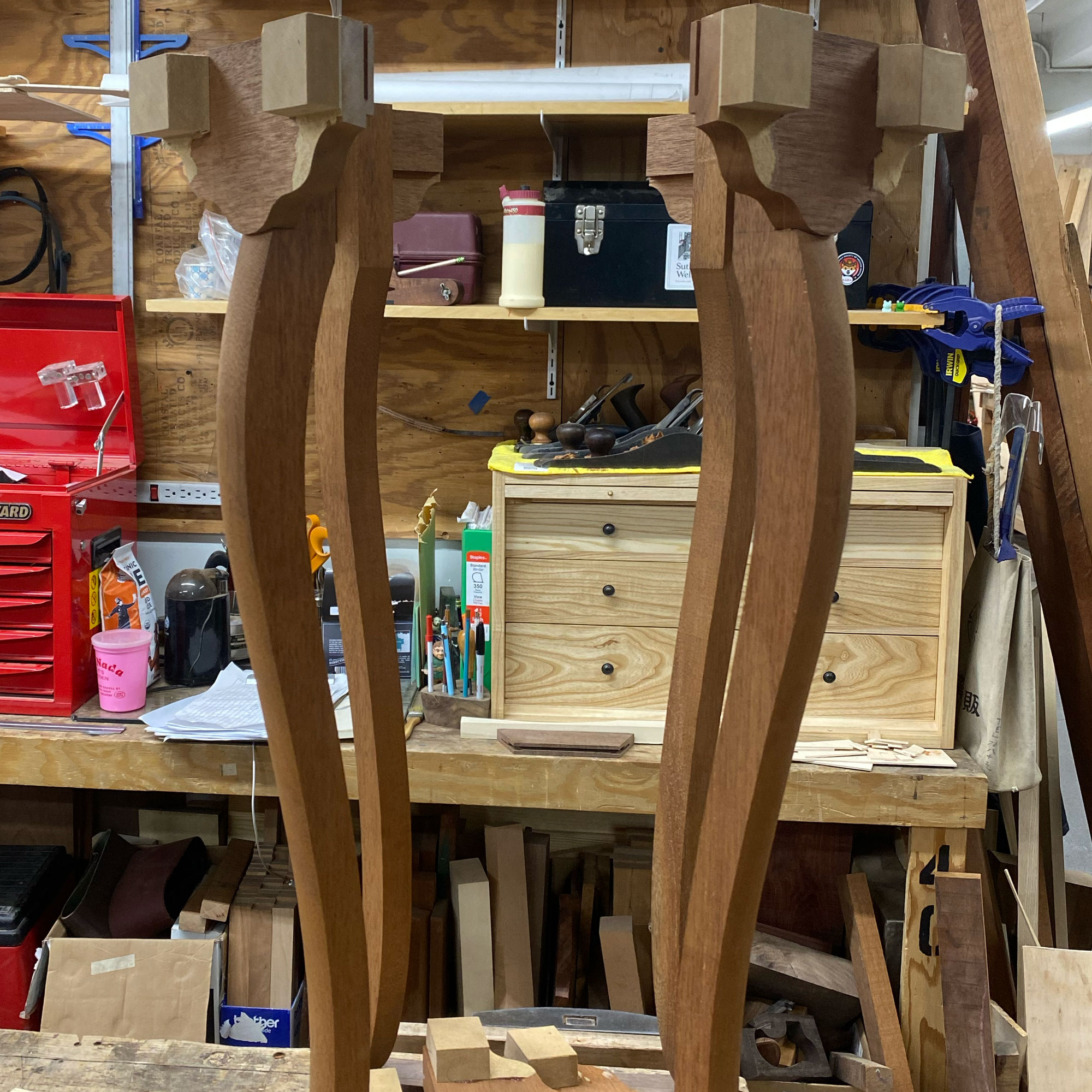
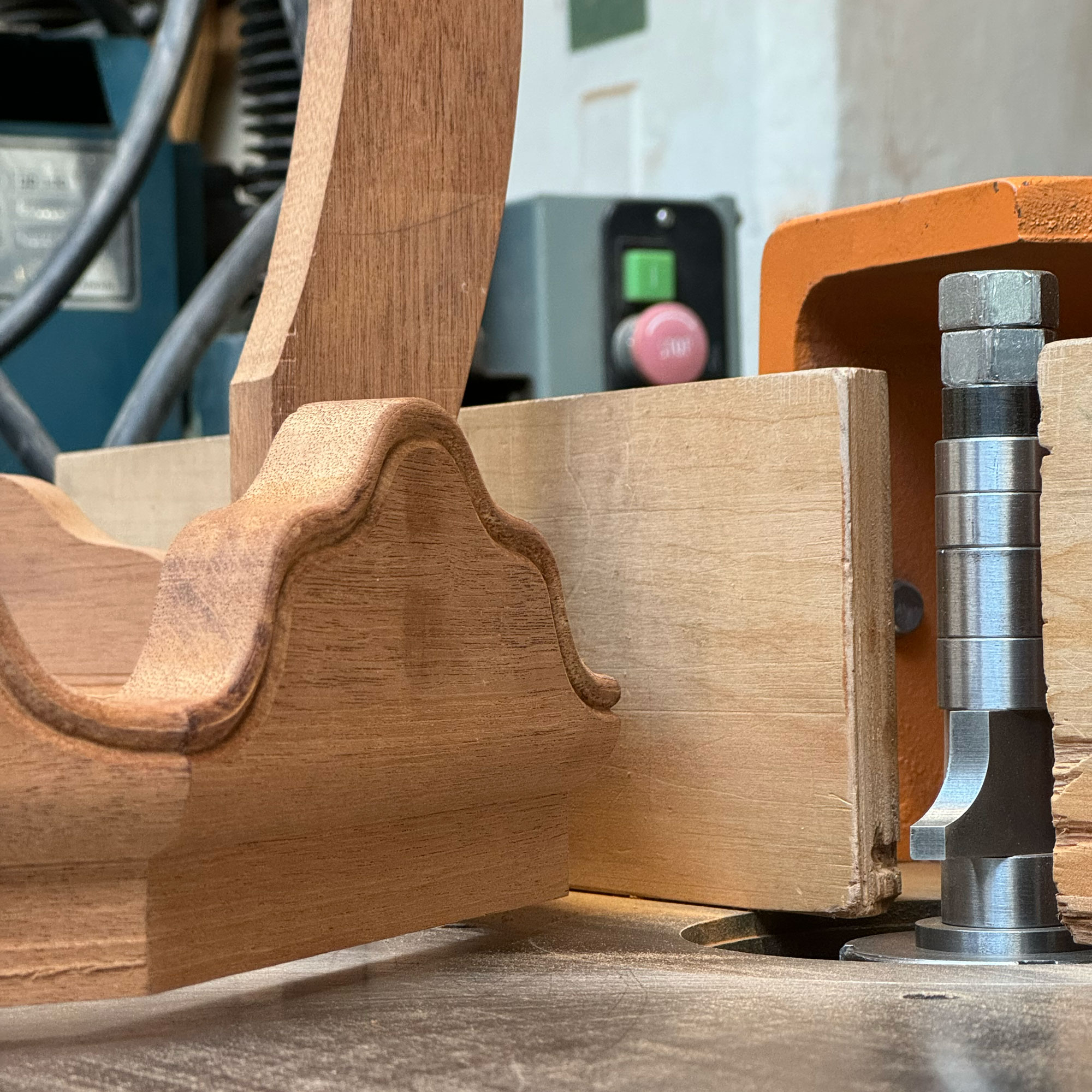
This project examines a 16th-century Fujianese Xiangji table as a production system rather than a stylistic artifact. Originally developed as a prototype while studying at the North Bennet Street School for a proposal related to the renovation of the MFA’s Chinese galleries, the work reconstructs the table’s geometry and joinery using conventional shop machinery. It asks how historically hand-cut, high-skill joinery can be translated into repeatable workflows without compromising its structural intelligence.
Rather than simplifying joint logic, the project preserves its complexity while shifting where skill is embedded—from tacit hand knowledge into fixtures, sequencing, and tool choice—treating production methods themselves as carriers of cultural information capable of extending historical knowledge into contemporary practice.