Splay Legged Contemporary Ming Table
Solo project
An exploration of contemporary Ming furniture
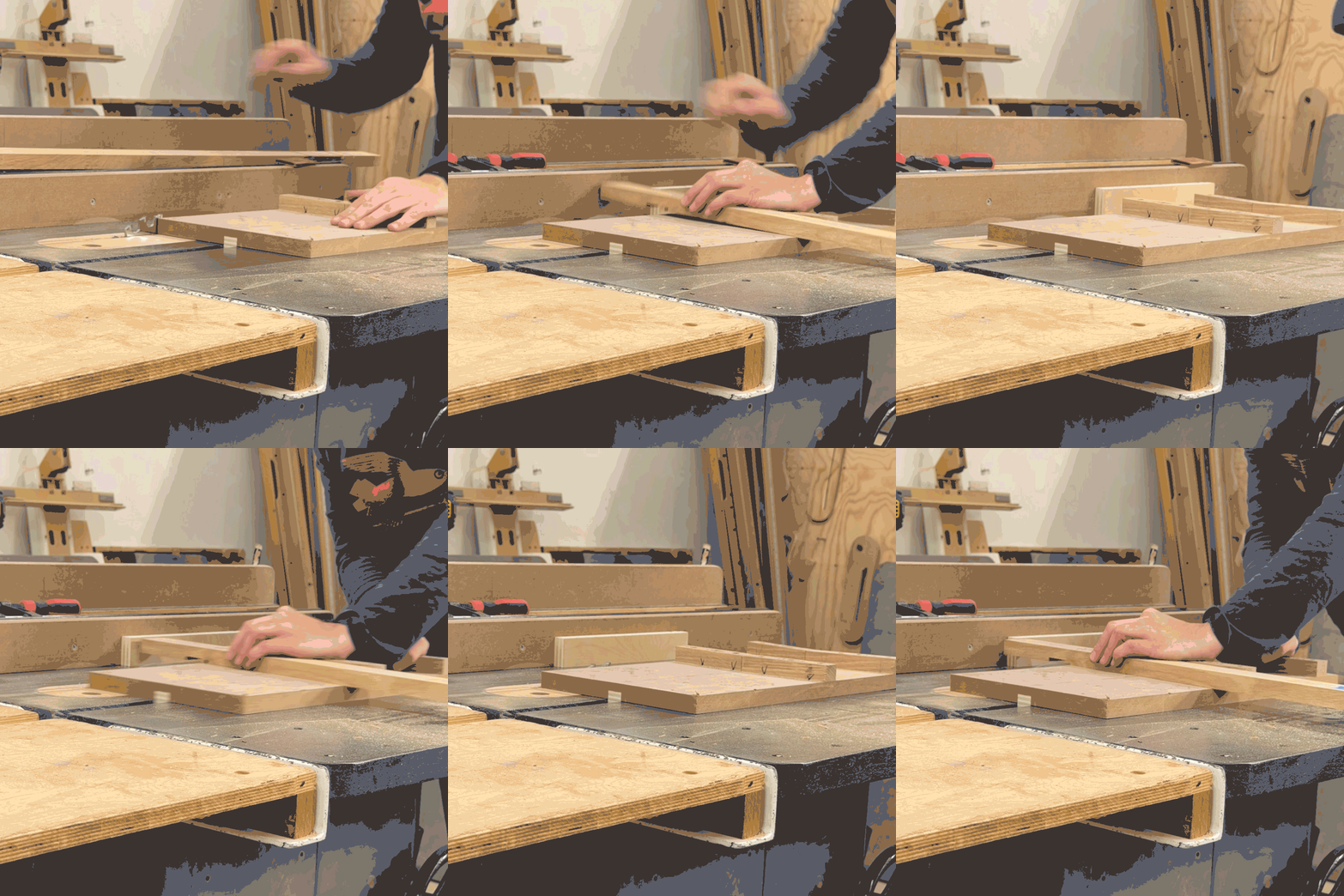
Cut entirely using a small hobbyist's tablesaw
2023 (1st gen) 2025 (published article)
An exploration of contemporary Ming furniture
Cut entirely using a small hobbyist's tablesaw
2023 (1st gen) 2025 (published article)
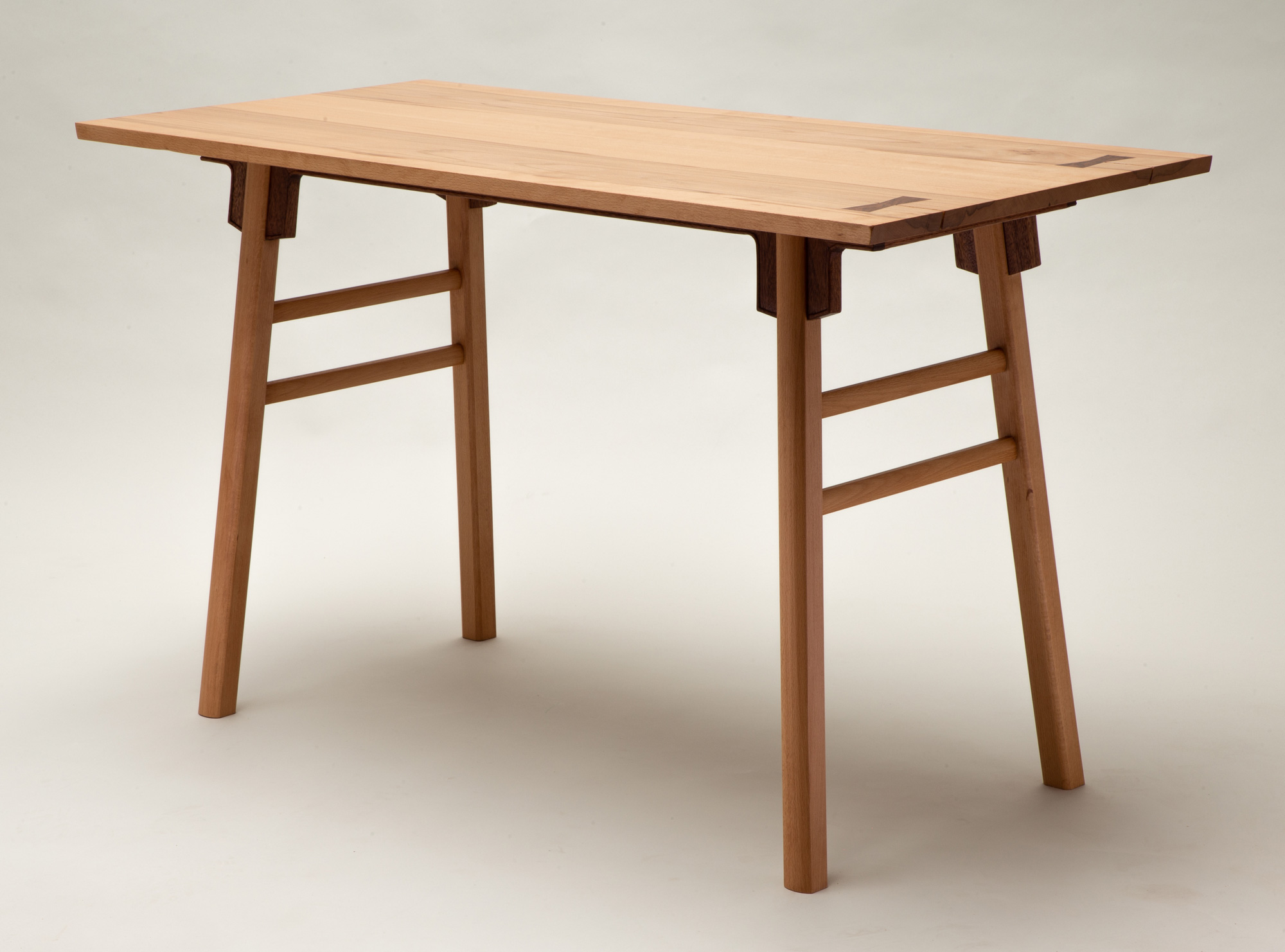
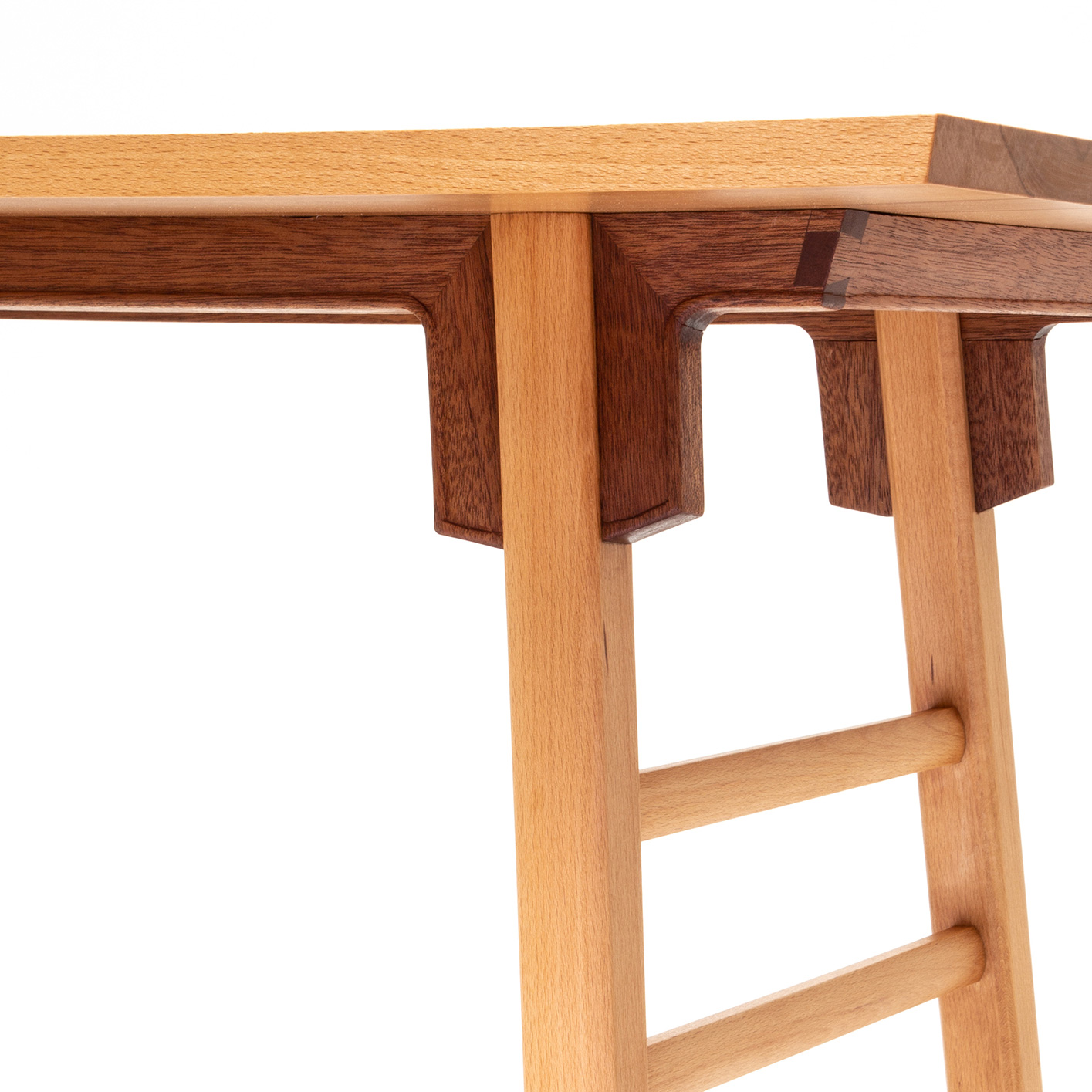
This table marks the beginning of my sustained research into Ming-dynasty furniture as a system rather than a style. By increasing splay and cantilever and substituting a slab top for the traditional frame-and-panel construction, the piece tests how Ming structural logic can be recomposed for contemporary use without sacrificing reversibility or mechanical clarity.
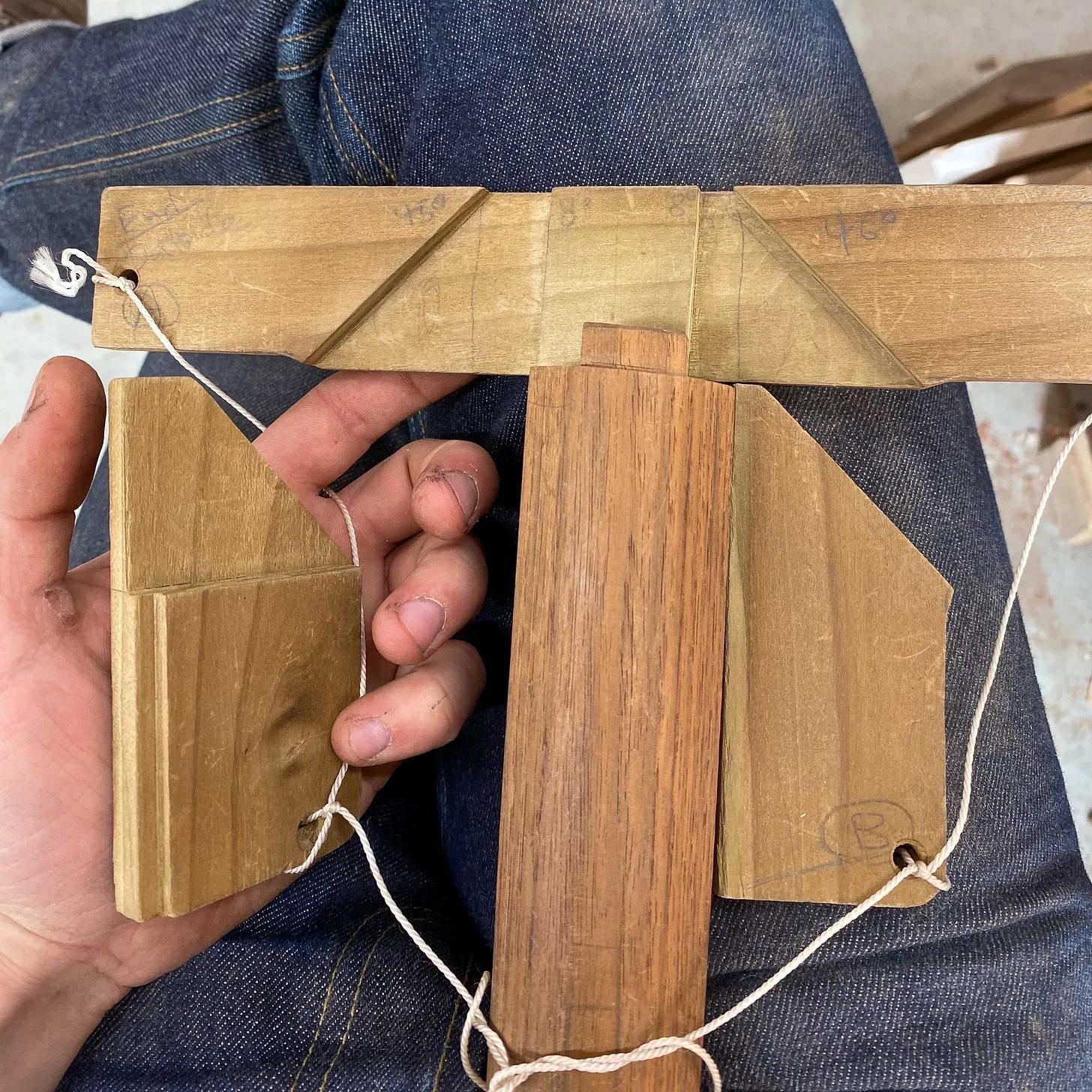
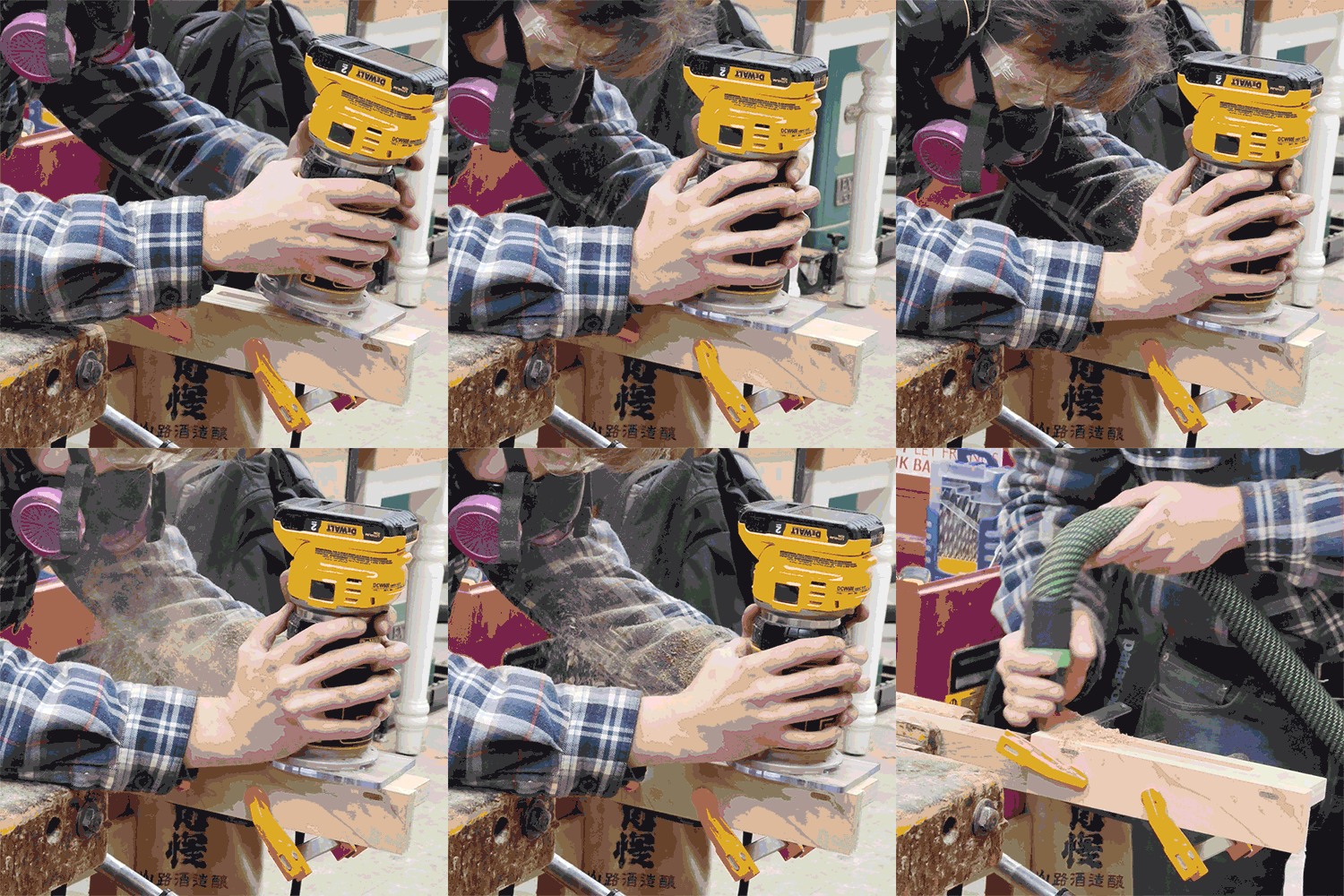
Cut entirely on a small hobbyist tablesaw, the project treats accessible machine workflows as a deliberate design constraint rather than a limitation, demonstrating that historically complex joinery can be produced outside of specialized or elite shops. I later rebuilt the table during a three-day shoot with Fine Woodworking to demystify Ming joinery and position it as a non-Eurocentric, teachable system within contemporary makers’ toolkits.